(604) 591-8848
8251-120th St, Delta BC V4C 6R1
reception@deltadentist.ca
Delta Dentist | Dr.Sara Rouhani
  • Home
  • About Us
    • About Our Clinic
    • About Our Dental Team
  • Services
    • Cosmetic Dentistry
      • Teeth Whitening
      • Smile Design
      • Laminate & Dental Veneers
    • Preventive Dentistry
    • Teeth Cleaning & Dental X-Rays
    • Restorative Dentistry
      • Dental Bridges
      • Dental Crowns
    • Endodontic Treatments
    • Family & Kids Dentistry
      • Pediatric Dentistry
    • Removable Prosthetics
  • Book An Appointment
  • Blog
  • PATIENT FAQ
  • Contact Us
Location
Working Hours
Working Time
Mon-Tue-Thurs 08:00 – 17:00
Wed Closed
Fri Closed
Sat-Sunday Closed
Booking Form
Request Form

    Call Us
    Emergency Case

    Emergency dental care may be needed if you have had a blow to the face, lost a filling, or cracked a tooth.

    • 1-604-591-8848
    • reception@deltadentist.ca
    Our Contacts
    +
    HomeBlog Posts
    21May

    Removable Dentures vs. Fixed Prosthetics: Which Option Fits Your Lifestyle?

    by Kizha.buzzooka

    Key Insight: Removable dentures and fixed prosthetics like dental bridges and implant-supported restorations both replace missing teeth effectively, but they serve different lifestyle needs, budgets, and clinical situations. Removable prosthetics offer flexibility and lower upfront cost, while fixed options provide a more stable, natural-feeling result that requires no daily removal. The best choice is the one that aligns with your oral health, daily routine, and long-term goals.

    Tooth Loss Is Common, and So Are Your Options for Addressing It

    Tooth loss affects millions of Canadians, whether from decay, gum disease, injury, or the natural wear of aging. What has changed dramatically in recent decades is the range of options available for replacing those teeth. Patients no longer face a simple choice between dentures and living with gaps. The spectrum of tooth replacement technology now ranges from traditional removable appliances to highly sophisticated implant-supported fixed restorations.

    At Delta Dentist, Dr. Sara Rouhani takes the time to discuss all relevant options with patients experiencing tooth loss, ensuring the chosen treatment matches both their clinical situation and their daily life. There is no universally correct answer, but there is usually a better fit for each individual patient.

    What Are Removable Prosthetics?

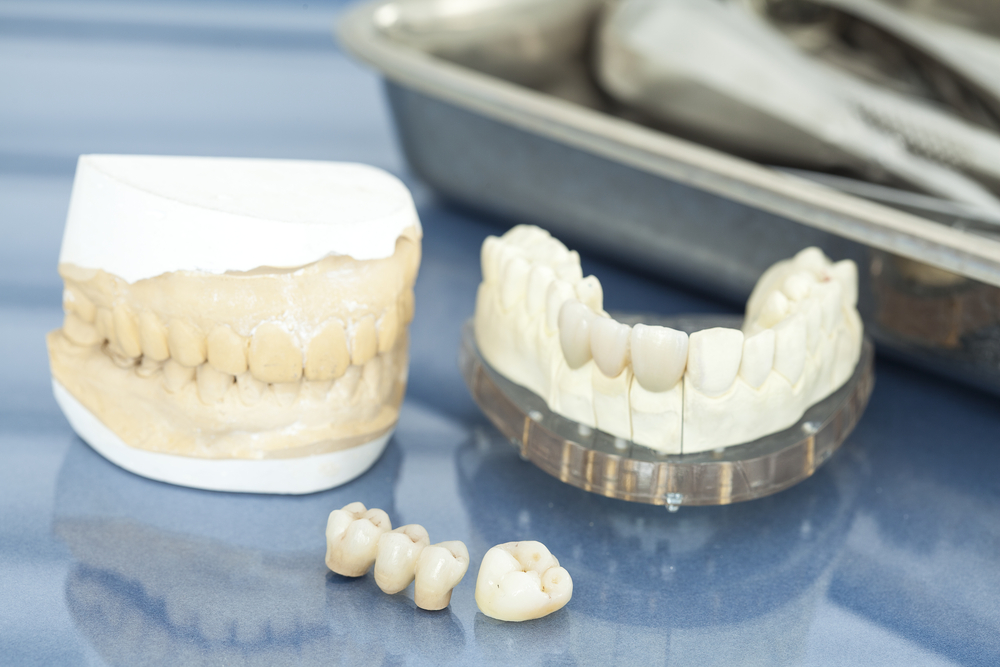
    Removable prosthetics are dental appliances that replace missing teeth and can be taken out for cleaning. They fall into two main categories: partial dentures, which replace some teeth while natural teeth remain, and complete dentures, which replace an entire arch of teeth (upper, lower, or both).

    Modern removable dentures are significantly more comfortable and natural-looking than the dentures of previous generations. Premium materials, precise fitting techniques, and better understanding of how the jaw changes over time have improved outcomes considerably. That said, removable prosthetics do have inherent limitations that patients should understand before making a decision.

    What Are Fixed Prosthetics?

    Fixed prosthetics are permanently attached to the mouth and cannot be removed by the patient. Common examples include dental bridges, which are anchored to adjacent natural teeth, and implant-supported crowns or bridges, where the restoration attaches to titanium implants surgically placed in the jawbone.

    Fixed prosthetics feel more like natural teeth because they do not move, do not need to be removed for cleaning (beyond regular brushing and flossing), and do not require adhesives. Implant-supported options additionally stimulate the jawbone, which helps prevent the bone loss that inevitably follows tooth extraction.

    Removable Dentures vs. Fixed Prosthetics: Which Option Fits Your Lifestyle?

    The right answer depends on a combination of factors:

    • Budget: Removable dentures are generally less expensive upfront. Implant-supported fixed prosthetics involve a higher initial investment but can last decades longer.
    • Bone availability: Dental implants require adequate jawbone density to support the implant. Patients with significant bone loss may require a bone graft before implants are possible, or may not be candidates at all.
    • Number of missing teeth: A single missing tooth is typically best replaced with an implant crown or bridge. Multiple missing teeth may be addressed with a partial denture, a bridge, or implant-supported prosthetics depending on the case.
    • Lifestyle and comfort: Patients who prioritise stability and a natural feel typically prefer fixed options. Patients who require a lower-maintenance or more budget-conscious solution may prefer removable prosthetics.
    • Overall health: Certain medical conditions or medications affect healing and may influence implant suitability. Your dentist will review your medical history as part of the assessment.

    The Case for Removable Dentures

    Removable dentures remain a practical and effective solution for many patients, particularly those replacing multiple or all teeth in an arch. They do not require surgery, can be fabricated relatively quickly, and are a reliable option for patients who are not implant candidates due to medical or bone density reasons.

    Modern partial dentures can be made with cast metal frameworks that are thinner and more stable than older acrylic designs, and they can be colour-matched to blend naturally with existing teeth. Well-fitted dentures, cared for properly and adjusted regularly as the jaw changes over time, provide good function and comfort for many years.

    The Case for Fixed Prosthetics

    For patients who qualify, fixed prosthetics offer several advantages that removable options cannot match. They do not slip during eating or speaking, they do not require removal and soaking overnight, and implant-supported options preserve jawbone by providing the stimulation that natural tooth roots once provided.

    The long-term cost comparison is also worth considering. While fixed implant-supported restorations cost more initially, they are designed to last a very long time, potentially a lifetime for the implant itself, whereas dentures require periodic relining, adjustment, and eventual replacement as the jaw changes shape.

    Frequently Asked Questions

    How long do removable dentures last?

    Well-maintained dentures typically last seven to ten years before they need to be replaced due to wear or changes in the jaw structure. Relining is often needed sooner to maintain a proper fit.

    Can I eat normally with dentures?

    Most patients adapt well to eating with dentures, though very hard or sticky foods can be challenging. Fixed implant-supported prosthetics allow for a closer-to-normal diet.

    Are dental implants painful to get?

    Implant placement is performed under local anaesthetic. Post-surgical discomfort is typically managed well with over-the-counter pain medication. Most patients describe the experience as more manageable than anticipated.

    Can I get implants if I already have dentures?

    Yes, in many cases. Implant-supported overdentures, which snap onto implants while still being removable, are a popular compromise between full dentures and fully fixed prosthetics.

    How do I clean removable dentures?

    Remove dentures daily, rinse after meals, brush with a soft denture brush and non-abrasive cleanser, and soak overnight in a denture solution to keep them clean and prevent warping.

    Is there an age limit for dental implants?

    There is no upper age limit for dental implants, provided overall health is adequate and bone density is sufficient. Implants are not recommended for younger patients whose jaw development is not yet complete.

    Conclusion

    Choosing between removable dentures and fixed prosthetics is a decision that involves clinical realities, personal preferences, budget considerations, and a realistic assessment of what daily life with each option looks like. Neither is universally superior. Both can deliver functional, aesthetically pleasing results in the right clinical situation with the right patient.

    The best way forward is to have an honest, thorough conversation with your dentist. Book a consultation at Delta Dentist and let Dr. Sara Rouhani assess your specific situation and help you understand all the options available to restore your smile fully and comfortably.
    21May

    What to Do in a Dental Emergency: A Step-by-Step Guide for Delta Families

    by Kizha.buzzooka

    Bottom Line: Knowing what to do in the first minutes after a dental emergency, whether a knocked-out tooth, a severe toothache, a broken restoration, or a facial injury, can mean the difference between saving a tooth and losing it permanently. Stay calm, act quickly, and contact your dentist immediately. For life-threatening symptoms, go straight to a hospital emergency room.

    Dental Emergencies Happen When You Least Expect Them

    A hockey puck to the mouth. A fall from a bike. Biting into something unexpectedly hard. Waking up at midnight with a throbbing toothache that will not quit. Dental emergencies come in many forms, and most of them happen without any warning. Having a plan in place before they occur, knowing what to do and who to call, is the single most important factor in how well they resolve.

    Delta Dentist is committed to seeing dental emergencies as quickly as possible. If you or a family member is experiencing a dental emergency in the Delta, BC area, call (604) 591-8848 right away. This guide covers the most common dental emergencies and exactly what to do until you can be seen.

    What Counts as a Dental Emergency?

    A dental emergency is any situation involving the teeth, gums, or mouth that requires prompt professional attention to alleviate severe pain, control bleeding, prevent infection, or save a tooth. Common dental emergencies include:

    • A knocked-out (avulsed) tooth.
    • A cracked, broken, or fractured tooth.
    • Severe, persistent, or escalating toothache.
    • A lost or broken crown, filling, or bridge.
    • A dental abscess or facial swelling.
    • A soft tissue injury to the gums, lips, tongue, or cheeks.
    • A broken orthodontic appliance causing irritation or pain.

    What to Do in a Dental Emergency: Step-by-Step

    Knocked-Out Tooth

    Time is absolutely critical. A knocked-out permanent tooth has the best chance of survival if reimplanted within thirty to sixty minutes. Handle the tooth only by the crown, never the root. Rinse it gently with clean water if it is dirty but do not scrub it or remove any attached tissue fragments. If possible, gently replace the tooth in its socket and hold it in place by biting gently on a clean cloth. If reimplantation is not possible, place the tooth in a small container of milk or hold it inside your cheek and get to Delta Dentist or the nearest emergency dental facility immediately.

    Cracked or Broken Tooth

    Rinse your mouth with warm water and apply a cold compress to the outside of your face to reduce swelling. Save any broken fragments if possible. Contact your dentist as soon as the office is open. If the fracture has exposed the pulp of the tooth and you are in severe pain, treat it as an urgent appointment.

    Severe Toothache

    Rinse your mouth with warm salt water and gently floss around the affected tooth to remove any trapped food that may be contributing to the pain. Take over-the-counter pain relief as directed on the packaging. Do not place aspirin directly against the tooth or gum tissue. Contact your dentist to describe your symptoms and arrange an emergency appointment as soon as possible.

    Lost Crown or Filling

    If a crown comes off, try to keep it and bring it to your appointment. Some crowns can be recemented. If the tooth underneath is sensitive, dental cement or sugarless gum (not regular gum, which contains sugar that can cause decay) can temporarily protect the exposed area. Contact your dentist promptly.

    Dental Abscess or Significant Swelling

    If you have facial swelling accompanied by fever, difficulty swallowing, or difficulty breathing, go to a hospital emergency room immediately as these symptoms can indicate a rapidly spreading infection. For contained swelling and pain without systemic symptoms, contact Delta Dentist for an urgent same-day appointment.

    When to Go to the Hospital Instead of the Dentist

    Some dental emergencies fall outside the scope of what a dental office can manage and require hospital-level care. Go directly to the nearest emergency room if you experience difficulty breathing or swallowing alongside dental swelling, significant facial trauma involving potential jaw fracture, profuse bleeding that does not stop with direct pressure after fifteen minutes, or if you have a medical history that complicates standard dental management (such as a bleeding disorder or compromised immune system).

    Frequently Asked Questions

    What should I keep in a dental emergency kit at home?

    A small dental emergency kit should include gauze pads, a small airtight container (for storing a knocked-out tooth), dental cement (available at pharmacies), over-the-counter pain medication, saline solution or salt for rinses, and your dentist’s emergency contact number.

    Are dental emergencies covered by insurance?

    Many Canadian dental insurance plans include coverage for emergency examinations. Treatment costs depend on what is needed. Contact your provider as soon as possible after seeking care.

    What if I break a tooth on the weekend when the dentist is closed?

    Contact your dental office for after-hours guidance. Many practices provide an emergency contact number for urgent situations. For severe pain or swelling, a hospital emergency room can provide pain management and antibiotics if needed pending dental care.

    Can a chipped tooth wait until a regular appointment?

    Small cosmetic chips with no pain can often wait a few days. Larger fractures, pain when biting, or sensitivity to temperature should be addressed urgently to prevent further damage.

    My child knocked a baby tooth loose in a fall. What should I do?

    Contact your dentist promptly. Do not attempt to reinsert a knocked-out baby tooth, as this can damage the developing permanent tooth underneath. Your dentist will assess the situation and advise on the appropriate next steps.

    How can I reduce the risk of dental emergencies?

    Wearing a mouthguard during contact sports is the single most effective preventive measure. Addressing dental problems before they become urgent through regular check-ups is also essential.

    Conclusion

    Dental emergencies are stressful, but having a plan and knowing the right steps to take dramatically improves outcomes. The most important thing is to act promptly rather than waiting to see if things improve on their own.

    Save Delta Dentist’s number in your phone now, before an emergency happens. When you need us, we will be ready. Contact us here or book online for non-urgent appointments.

    21May

    Baby Teeth vs. Permanent Teeth: Why Caring for Both Matters More Than You Think

    by Kizha.buzzooka

    Quick Take: Baby teeth are not throwaway placeholders. They guide permanent teeth into position, support facial development, enable proper speech and nutrition, and their early loss can cause lasting consequences. Caring for primary teeth with the same diligence as permanent teeth is one of the most impactful things parents can do for their child’s long-term dental health.

    The Biggest Dental Misconception Parents Carry

    The phrase “they’re just baby teeth” is one of the most common and most consequential misconceptions in paediatric dental health. It leads parents to underestimate the importance of treating cavities in primary teeth, delay their child’s first dental visit, and deprioritise infant and toddler oral hygiene.

    At Delta Dentist, the family and kids dentistry team regularly works with families who are surprised to learn just how significantly baby teeth affect their child’s long-term dental development. Understanding the relationship between primary and permanent teeth changes how parents approach early dental care.

    What Are Baby Teeth and How Many Does Your Child Get?

    Baby teeth, also called primary or deciduous teeth, begin erupting at around six months of age and continue until about age three, by which point most children have their full set of twenty primary teeth. These twenty teeth serve the child until they are gradually replaced by thirty-two permanent teeth, a process that begins around age five and continues through the mid-teens.

    The timeline of eruption and shedding varies from child to child and is influenced by genetics, nutrition, and in some cases, medical factors. Your child’s dentist will monitor the eruption and development pattern at each paediatric check-up and alert you to any developmental concerns.

    Why Baby Teeth vs. Permanent Teeth: The Comparison That Matters Most

    The most important distinction between baby and permanent teeth is not their durability or size. It is the relationship between them. Primary teeth are essentially the infrastructure through which permanent teeth develop and emerge. Each baby tooth holds a space in the jaw that the corresponding permanent tooth is already developing toward from below the gum line.

    When a baby tooth is lost prematurely due to decay or trauma, the adjacent teeth drift into the empty space. The permanent tooth that was destined for that spot now has less room to emerge into, and the result is crowding, rotation, or impaction of the permanent tooth. Orthodontic treatment later in childhood or adolescence often traces its origins directly back to premature primary tooth loss.

    The Real Risks of Untreated Decay in Baby Teeth

    Tooth decay in primary teeth is more than a local problem. Because baby teeth have thinner enamel than permanent teeth, decay progresses faster and can reach the pulp and root of the tooth relatively quickly. Untreated pulp infection in a baby tooth can damage the developing permanent tooth bud sitting just beneath it in the jaw.

    There is also the matter of pain and wellbeing. Children with significant dental decay experience pain that affects their sleep, appetite, concentration, and school performance. Studies have linked untreated dental pain in children to increased school absences and lower quality of life, outcomes that are entirely preventable.

    How to Care for Your Child’s Teeth at Every Stage

    • Before the first tooth: Wipe gums with a clean damp cloth after feedings to reduce bacterial load from the start.
    • First tooth appearance: Begin brushing with a rice-sized smear of fluoride toothpaste and a soft infant toothbrush.
    • Ages two to three: Transition to a pea-sized amount of toothpaste. Begin brushing twice daily and supervise closely.
    • Ages four and up: Begin introducing flossing when teeth are touching. Supervise brushing until at least age seven or eight.
    • Permanent teeth emerging: Continue twice-daily brushing and daily flossing. Dental sealants on back molars are strongly recommended to prevent decay in the deep grooves.

    Frequently Asked Questions

    Do I need to floss my child’s baby teeth?

    Yes, once adjacent teeth are touching. Most children develop touching contact points between molars by age two to three. Flossing prevents decay from developing in these contact areas.

    Is it safe to use fluoride toothpaste on babies?

    A rice-sized smear is safe and recommended as soon as the first tooth appears. The tiny amount used is clinically appropriate and the fluoride benefit for early enamel is significant.

    My child’s baby tooth is loose but the permanent tooth is coming in behind it. Is that normal?

    This is relatively common, particularly with lower front teeth, and often resolves on its own as the baby tooth falls out. If the baby tooth does not fall out within a few weeks, see your dentist.

    Can a permanent tooth be affected by decay in a baby tooth above it?

    In severe cases of primary tooth infection, yes. The developing permanent tooth bud is located very close to the primary tooth root, and significant infection can sometimes cause discolouration or enamel defects on the permanent tooth.

    When do the last baby teeth fall out?

    The last primary molars are typically lost around ages eleven to thirteen. This process overlaps significantly with the eruption of permanent molars and premolars.

    Should I be worried if my child’s permanent teeth are coming in crooked?

    Some initial crowding is normal as permanent teeth erupt. Your dentist will monitor alignment and refer for an orthodontic assessment, typically around age seven, if concerns develop.

    Conclusion

    Caring for baby teeth is not a temporary commitment. It is an investment in the foundation upon which your child’s permanent smile is built. The habits established in these early years, including regular brushing, limited sugary food and drink, and consistent dental visits, shape the trajectory of their dental health for decades.

    Give your child’s smile the attention it deserves from the very beginning. Book an appointment at Delta Dentist and let our paediatric-friendly team support your family through every stage of your child’s dental development.

    21May

    How to Make the Dentist Less Scary for Kids: Tips That Actually Work

    by Kizha.buzzooka

    What You Should Know: Dental anxiety in children is common and manageable. The key is starting early, using the right language, choosing a family-friendly dental practice, and allowing the child to feel some control over the experience. Most children who struggle with dental visits do so because of fear of the unknown, not because of actual pain. Preparation, positive framing, and a supportive dental team make an enormous difference.

    Dental Fear in Children Is Learned, Not Inevitable

    Children are not born afraid of the dentist. Dental anxiety is almost always a learned response, shaped by early experiences, parental reactions, and the stories children absorb from siblings, peers, and media. This is important because it means dental fear can also be unlearned, or better yet, prevented entirely with the right approach from the very beginning.

    At Delta Dentist, the family and kids dentistry team is specifically trained in child communication and behaviour guidance. The goal is to make every child’s dental experience so straightforward and comfortable that the dentist becomes a familiar, non-threatening presence in their life.

    Why Children Fear the Dentist and What It Is Really About

    Most childhood dental anxiety comes down to fear of the unknown and fear of loss of control. Children who do not know what to expect when they sit in the dental chair, hear unfamiliar sounds, or sense equipment near their face are naturally apprehensive. This is not a personality flaw or weakness. It is a normal response to novelty and perceived vulnerability.

    Children are also highly attuned to parental emotions. A parent who feels anxious about the dental visit, even without saying anything explicitly, communicates that anxiety to the child. This is one reason why managing your own feelings about dental care is an important part of helping your child manage theirs.

    How to Make the Dentist Less Scary for Kids: Tips That Actually Work

    Here are evidence-based, dentist-recommended strategies for reducing dental anxiety in children:

    • Start early: Children who begin dental visits by age one experience dental care as routine rather than exceptional. Familiarity dramatically reduces anxiety.
    • Use positive, neutral language: Avoid words like “hurt,” “needle,” “drill,” or “pain” before appointments. Frame the visit as a tooth check-up where the dentist counts and cleans teeth.
    • Play dentist at home: Let your child examine a stuffed animal’s teeth with a toothbrush, then count your teeth, then let them examine yours. Familiarity with the concept reduces novelty-based fear.
    • Read books about dental visits: Children’s books featuring characters at the dentist normalise the experience and give children a mental framework for what to expect.
    • Let your child bring a comfort item: A favourite toy or stuffed animal in the dental chair can provide significant reassurance.
    • Celebrate the visit, not just the outcome: Praise your child for their bravery during and after the appointment, regardless of how it went.

    Choosing the Right Dental Practice for an Anxious Child

    Not all dental practices are equally equipped to handle anxious young patients. Look for a practice that welcomes children specifically, has experience with paediatric behaviour management, uses child-friendly language and explanations during treatment, and does not rush children through appointments.

    A practice like Delta Dentist, which offers dedicated pediatric dentistry services, will allow time for children to warm up at their own pace. The “show-tell-do” method commonly used in paediatric dentistry shows the child each instrument, explains what it does in simple terms, and then gently demonstrates before using it. This approach removes the element of surprise that drives much of the anxiety.

    Managing a Dental Appointment When Anxiety Is Already Present

    If your child already has established dental anxiety, the recovery process takes time and consistent positive experiences. A few appointments focused entirely on building trust, without any treatment at all, can be more valuable than rushing through a cleaning that leaves the child more fearful than before. This is called a “familiarisation appointment” and is a legitimate clinical strategy.

    In cases of significant anxiety, sedation dentistry options appropriate for children’s age and weight may be considered. Ask the dental team about what options are available and whether they are clinically appropriate for your child’s situation.

    Frequently Asked Questions

    Should I bribe my child to go to the dentist?

    Small, non-food rewards can be helpful motivators for young children. However, relying on them too heavily can inadvertently signal that the dental visit is something to be endured rather than normalised. Balance reward-based motivation with positive framing of the experience itself.

    What should I say if my child asks if the dentist will hurt them?

    Be honest in an age-appropriate way: “The dentist is very gentle and works to make sure you are comfortable. If anything feels uncomfortable, you can tell them and they will help.” Avoid promises that “it won’t hurt at all” as broken promises erode trust.

    My child had a bad experience at the dentist. How do we move forward?

    Acknowledge their feelings without over-amplifying them, then introduce a gradual return to the dental environment, ideally at a practice experienced with anxious children. Consider a visit with no planned treatment to rebuild trust first.

    At what age does childhood dental anxiety typically resolve?

    With consistent positive experiences, most children outgrow significant dental anxiety by middle childhood. Some degree of apprehension is entirely normal at any age.

    Is dental sedation safe for children?

    When administered by trained professionals with appropriate monitoring, dental sedation is considered safe for children. The type and level of sedation appropriate depends on the child’s age, weight, health status, and the extent of treatment needed.

    Can watching adults have positive dental experiences help a child?

    Yes. Observational learning is powerful in children. Letting your child see you or an older sibling calmly completing a dental appointment can normalise the experience significantly.

    Conclusion

    Dental anxiety in children is not a fixed character trait. It is a response to experience and expectation, which means it is entirely within your power as a parent to shape. With early starts, positive language, the right dental team, and consistent supportive experiences, most children develop a genuinely comfortable relationship with dental care that stays with them throughout their lives.

    Book your child’s appointment at Delta Dentist and let our compassionate, child-experienced team help make their next dental visit a genuinely good one.

    21May

    When Should Your Child Have Their First Dental Visit? A Pediatric Dentist’s Guide

    by Kizha.buzzooka

    Key Insight: The Canadian Dental Association recommends that a child’s first dental visit should occur by their first birthday or within six months of the first baby tooth erupting, whichever comes first. Early visits build familiarity with the dental environment, allow for early detection of developmental concerns, and establish habits that protect children’s oral health for life.

    The Sooner You Start, the Better the Foundation

    Many parents assume that dental visits do not need to begin until children have a full set of baby teeth, or even until their permanent teeth start to come in. This misconception leads to delayed care that can have real consequences. Tooth decay is the most common chronic disease in Canadian children, and it can begin as soon as the first tooth appears.

    At Delta Dentist, the team at Family and Kids Dentistry welcomes infants and toddlers with an approach designed to make early dental visits genuinely positive experiences. Starting early shapes how your child feels about dental care for the rest of their life.

    Why Baby Teeth Matter More Than Most Parents Realise

    A common misconception is that baby teeth do not matter much because they will fall out anyway. In reality, primary teeth play several critical roles:

    • They hold space in the jaw for the permanent teeth that will follow, guiding them into the correct position.
    • They are essential for proper chewing, which affects nutrition and overall development.
    • They support speech development by providing the structures children need for correct pronunciation.
    • Early decay in baby teeth can spread to adjacent teeth and, in severe cases, affect developing permanent teeth beneath the gum line.
    • Premature loss of baby teeth due to decay or trauma can lead to crowding problems that require orthodontic treatment later.

    When Should Your Child Have Their First Dental Visit?

    The Canadian Dental Association recommends a first dental visit by the age of one or within six months of the first tooth erupting. This early visit is not a full examination in the traditional sense. It is primarily an opportunity for your child to meet the dental team, for parents to receive guidance on feeding habits, oral hygiene, and teething, and for the dentist to perform a brief risk assessment.

    Even if everything looks perfectly healthy at this first visit, establishing the relationship early means your child builds familiarity and comfort with the dental environment over time. Children who start visiting the dentist in infancy tend to experience far less dental anxiety as they grow older than those whose first visit occurs under stressful circumstances such as a painful toothache.

    What Happens at a Child’s First Dental Visit?

    A first visit for an infant or toddler at Delta Dentist is relaxed, friendly, and brief. Your child does not need to sit alone in the dental chair if they are not ready. Many first visits involve the child sitting in a parent’s lap while the dentist performs a gentle examination. The dentist will check for signs of early decay, assess tooth development, evaluate the bite, and discuss:

    • Proper cleaning techniques for baby teeth and gums.
    • Recommendations for fluoride use based on your local water supply and child’s risk level.
    • The impact of feeding habits including breastfeeding, bottle use, and prolonged pacifier use on dental development.
    • Teething management and what to expect as more teeth erupt.
    • When to expect the transition from primary to permanent teeth.

    How to Prepare Your Child for a Positive Dental Visit

    Attitude is contagious, and children pick up on parental anxiety quickly. Approaching the dental visit with a matter-of-fact, positive attitude rather than excessive reassurance (which can paradoxically signal that something scary is coming) goes a long way. Reading books about dental visits, playing dentist at home, and framing the appointment as a fun and interesting outing are all strategies that work well with young children.

    Avoid sharing any negative dental experiences of your own with your child before their visit. Children who arrive with a clean emotional slate typically do very well, especially in a dental practice that, like Delta Dentist, is experienced in making young patients feel welcome and at ease.

    Frequently Asked Questions

    My child is three and has never been to the dentist. Is it too late to start?

    It is never too late to start. While earlier is better, the most important thing is to begin now. Schedule a visit as soon as possible and let the dental team help your child develop a positive relationship with dental care going forward.

    Do baby teeth need fillings if they are going to fall out?

    Yes, in many cases. Untreated decay in baby teeth can cause pain, infection, and premature tooth loss. Filling a decayed baby tooth protects it until it naturally falls out on schedule.

    When do children start losing baby teeth?

    Most children begin losing their front baby teeth around age five to seven. The process continues until around age twelve to thirteen when the last primary molars are replaced.

    How often should children visit the dentist?

    Every six months is the standard recommendation for most children. Higher-risk children may benefit from more frequent visits as recommended by their dentist.

    Is dental sedation available for anxious children?

    Yes. Options vary by clinic and patient age. Your dentist will discuss what is appropriate and available if standard anxiety management techniques are not sufficient.

    When should a child start using toothpaste with fluoride?

    A rice-sized smear of fluoride toothpaste can be used as soon as the first tooth erupts. A pea-sized amount is appropriate from age three onward. Children should be supervised and taught to spit rather than swallow.

    Conclusion

    Your child’s dental journey begins far earlier than most parents expect, and the habits, attitudes, and oral health foundations established in those early years have a lasting impact. By starting dental visits early, you give your child the best possible chance of growing up with healthy teeth and a positive relationship with dental care.

    Ready to schedule your child’s first visit? Book an appointment at Delta Dentist and let our family-friendly team make it a great experience from the very first hello.

    21May

    Signs You Might Need a Dental Crown (And What Happens If You Wait)

    by Kizha.buzzooka

    Key Insight: A dental crown is often recommended when a tooth is too damaged, cracked, or weakened to hold up with a regular filling. Warning signs include significant pain when biting, visible cracks, a large or failed filling, or a tooth that has undergone root canal treatment. Waiting too long to address these signs can lead to fracture, tooth loss, and far more complex and expensive treatment down the line.

    Why Timing Matters More Than You Think

    Most patients do not walk into a dental office eagerly anticipating a crown. They tend to come in because something has changed, a filling feels different, a tooth aches under pressure, or a piece of tooth has broken off. By the time these symptoms appear, the window for the simplest and most conservative treatment has often already passed.

    Understanding the signs that a dental crown may be needed, and what happens to the tooth if those signs are ignored, is the kind of knowledge that can save you from more invasive treatment, higher costs, and the stress of a dental emergency.

    What Is a Dental Crown and What Does It Do?

    A dental crown is a custom-fitted cap that encases the entire visible portion of a tooth above the gum line. It protects a tooth that is too damaged for a filling to adequately restore, reinforces a cracked tooth to prevent further fracture, and restores the shape, strength, and function of a tooth that has been compromised by decay, injury, or previous dental work.

    At Delta Dentist, crowns are made from high-quality materials selected for the specific needs of each tooth, whether that is the natural appearance of all-ceramic porcelain for front teeth or the additional strength of zirconia for molars that bear heavy chewing forces.

    Signs You Might Need a Dental Crown

    The following signs are worth discussing with your dentist promptly:

    • Pain when biting or chewing: Sharp pain triggered by pressure can indicate a cracked tooth or severe decay that has compromised the tooth’s structural integrity.
    • A large or failing filling: When more than half of a tooth is filled material, a crown provides better long-term protection than another filling.
    • A cracked or fractured tooth: Hairline cracks may be invisible but cause significant pain. Visible fractures require immediate attention to prevent complete tooth loss.
    • Severe tooth decay: Decay that is too extensive for a filling to address adequately may require crown coverage after the decay is removed.
    • After a root canal: The treated tooth becomes more brittle and vulnerable to fracture without a crown to protect it.
    • A worn-down tooth: Teeth severely worn by bruxism or acid erosion may require a crown to restore proper height and function.

    Signs You Might Need a Dental Crown: What Happens If You Wait?

    This is the part that most patients do not fully appreciate until it happens to them. A cracked tooth that needs a crown but does not receive one continues to fracture under the daily forces of chewing. What started as a repairable crack can deepen to the point where the tooth splits completely or the fracture extends below the gum line, at which point extraction may be the only option.

    Similarly, a tooth with a large failing filling that is left without proper coverage can break catastrophically during a meal, potentially requiring emergency treatment. A tooth that received a root canal but no crown is at significantly elevated risk of vertical root fracture, a complication that almost always results in extraction.

    The pattern is consistent: early treatment with a crown is predictable and straightforward. Delayed treatment often means a more complex procedure, or the loss of the tooth altogether.

    What to Expect During Crown Treatment

    Getting a dental crown at Delta Dentist typically involves two appointments. At the first, the tooth is prepared by removing a thin layer of enamel to create space for the crown, an impression or digital scan is taken, and a temporary crown is placed while your permanent crown is custom-fabricated in a dental laboratory. At the second appointment, the temporary is removed and the final crown is checked for fit, bite, and shade before being permanently cemented.

    The entire process takes two to three weeks and is performed comfortably under local anaesthetic. Most patients experience minimal sensitivity in the days following preparation, which resolves quickly.

    Frequently Asked Questions

    How do I know if a crown is urgent?

    If you have visible fractures, severe pain when biting, or a large piece of tooth has broken off, seek dental attention promptly. Delaying these situations significantly increases the risk of tooth loss.

    Can a crown be placed on any tooth?

    Crowns are suitable for both front and back teeth. Material selection will differ based on the location and function of the tooth.

    How long does a dental crown last?

    With proper care, dental crowns typically last ten to fifteen years or longer. Good oral hygiene and regular dental check-ups are essential for maximising crown longevity.

    Will my crown look natural?

    All-ceramic and zirconia crowns are matched to the shade of your surrounding teeth and are virtually indistinguishable from natural teeth in most lighting conditions.

    Is there an alternative to a crown?

    In some cases, inlays or onlays offer a more conservative option for moderately damaged teeth. However, when a crown is clinically indicated, alternatives may not provide adequate protection.

    What happens if a crowned tooth develops decay?

    Decay can still form at the margin where the crown meets the tooth. This is why regular cleanings and good oral hygiene remain essential even after crown placement.

    Conclusion

    A dental crown is not a cosmetic extravagance. It is often a clinically necessary restoration that protects a vulnerable tooth from a fate that is significantly more difficult and expensive to manage. Knowing the warning signs and acting on them promptly is the difference between a straightforward crown placement and a tooth extraction followed by an implant or bridge.

    If any of the signs described in this article sound familiar, do not wait. Book an appointment at Delta Dentist today and let Dr. Sara Rouhani assess whether a crown is the right next step for your tooth.

    • 1
    • 2
    • 3
    • …
    • 11

    Categories

    • new
    • blog
    • ! Без рубрики
    • PB
    • IGAMING
    • n_bt
    • Cosmetic Dentistry
    • General Dentistry
    • Children`s Dentistry
    • Dental Implants
    • Orthodontics
    • Dental Emergency
    • Periodontics
    • Dental Surgery
    • Dental Crowns & Bridges

    Date Posts

    July 2026
    M T W T F S S
     12345
    6789101112
    13141516171819
    20212223242526
    2728293031  
    « May    

    Tags

    Cosmetic Dentistry Dental Implants Dental Surgery Dentist Dentistry Orthodontics Tooth Filling

    Recent Posts

    Cosmetic Dentistry: Enhancing Your Smile Aesthetics

    Cosmetic Dentistry: Enhancing Your Smile Aesthetics

    June 30, 2023
    The Ultimate Guide to Teeth Whitening: Achieve a Dazzling Smile

    The Ultimate Guide to Teeth Whitening: Achieve a Dazzling Smile

    July 1, 2023
    Crafting Your Perfect Smile: The Art of Customized Smile Design

    Crafting Your Perfect Smile: The Art of Customized Smile Design

    July 1, 2023

    Archives

    • May 2026
    • June 2025
    • May 2025
    • April 2025
    • August 2024
    • July 2024
    • May 2024
    • April 2024
    • February 2024
    • January 2024
    • December 2023
    • October 2023
    • July 2023
    • June 2023

    To receive email releases, simply provide us
    with your email address below.

      Services

      • Cosmetic Dentistry
      • Preventive Dentistry
      • Restorative Dentistry
      • Endodontic Treatments
      • Family & Kids Dentistry
      • Teeth Cleaning & Dental X-Rays